Food Fight
GLP-1s, Medicaid nutrition programs, sugar taxes, ultra-processed food, and school lunch reform — five stories, one uncomfortable question.
Five nutrition stories collided on my desk this week, and they all circle the same uncomfortable question: if we know food is this important — to metabolic health, to obesity outcomes, to the healthcare system — why do we keep treating it like an afterthought?
GLP-1s Are Everywhere — But Where's the Dietary Counseling?
Source: Obesity Pillars — "Application of nutrition interventions with GLP-1 based therapies: A narrative review" (Fitch, Gigliotti, Bays)
A new narrative review makes a point I've been saying in clinic for two years: we are handing patients the most powerful weight-loss medications in history and, far too often, saying almost nothing about what they eat. GLP-1 receptor agonists reduce weight — yes — but they can also strip lean muscle mass right alongside fat, nudging some patients toward sarcopenic obesity. That's not a side effect of the drug. That's a side effect of how we're deploying it.
The authors lay out the obvious fix — comprehensive nutrition and lifestyle support as a core part of treatment, not a bonus — but the real problem isn't what clinicians should do. It's what the system pays for. Insurance will cover a $1,000-a-month injection. It won't reliably cover the four dietitian visits that make it work. That mismatch is a policy choice, not a medical one.
Multidisciplinary care — physician, RD, behavioral health — is aspirational without reimbursement alignment. Until payers price nutrition as a clinical intervention, a lot of patients will lose weight on paper and lose function in real life.
Nutrition Is Medicine — So Why Won't Medicaid Treat It That Way?
Source: JAMA Internal Medicine — "The Future of Nutrition Interventions in Medicaid" (Hager & Berkowitz)
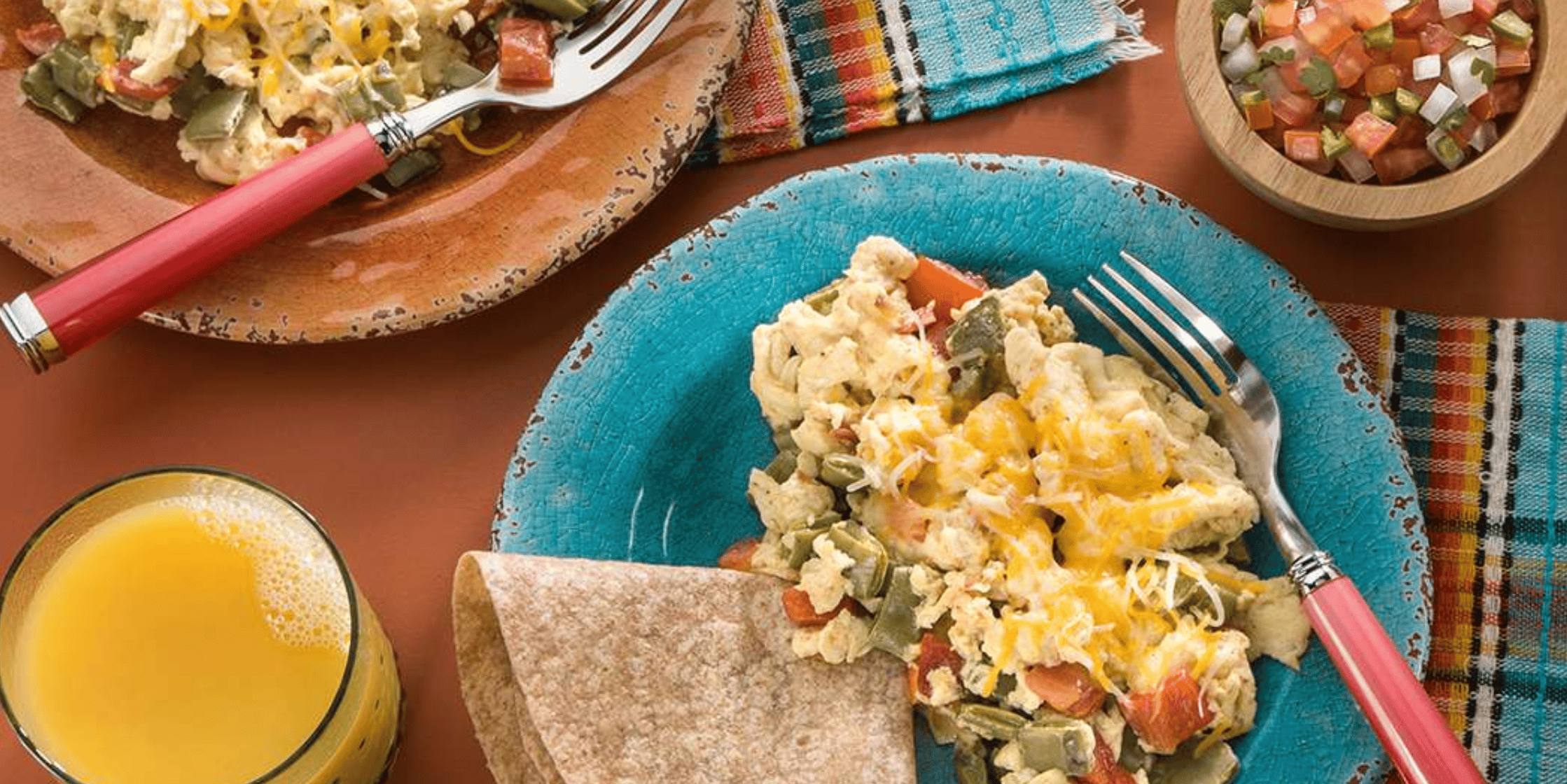
Thirteen states now have approved Medicaid waivers that pay for Food is Medicine services — medically tailored meals, produce prescriptions, nutrition counseling. Three more are pending. Evaluations across roughly 30,000 beneficiaries show what you'd hope: fewer ER visits, fewer hospitalizations, and lower total healthcare spending. The programs work.
And yet. In March 2025, CMS rescinded the guidance that encouraged states to pursue these waivers. Pending Medicaid cuts threaten existing programs. Massachusetts — one of the pioneers — narrowed eligibility to only the most severe food-insecurity cases. The authors point out that poor nutrition now surpasses smoking as a leading cause of global morbidity and mortality. We treat smoking cessation as clinical care. We're choosing not to treat food the same way.
The evidence is on the table. The cost savings are on the table. What's missing is the political will to call food what it plainly is in this population: medicine.
The Sugar Tax Is Coming — Like It or Not
Source: Medscape — "Sugar Tax Debate Intensifies as Health Evidence Builds"
More than 100 countries have adopted some form of sugar tax. The United States is conspicuously absent. German modeling now projects that a sugar-sweetened beverage tax would prevent roughly 25,000 cases of diabetes over 20 years and save about €16 billion in healthcare costs. About 60% of Germans support the policy.
The usual counterarguments — regressivity, paternalism — aren't wrong, but they're incomplete. My patients develop metabolic disease inside a food environment where a 20-ounce soda often costs less than a bottle of water. That's not a personal-responsibility problem. That's a market engineered against the consumer's health. Taxes, whatever else you think of them, reshape markets. We've already used this playbook — on cigarettes, on alcohol — when public health required it.
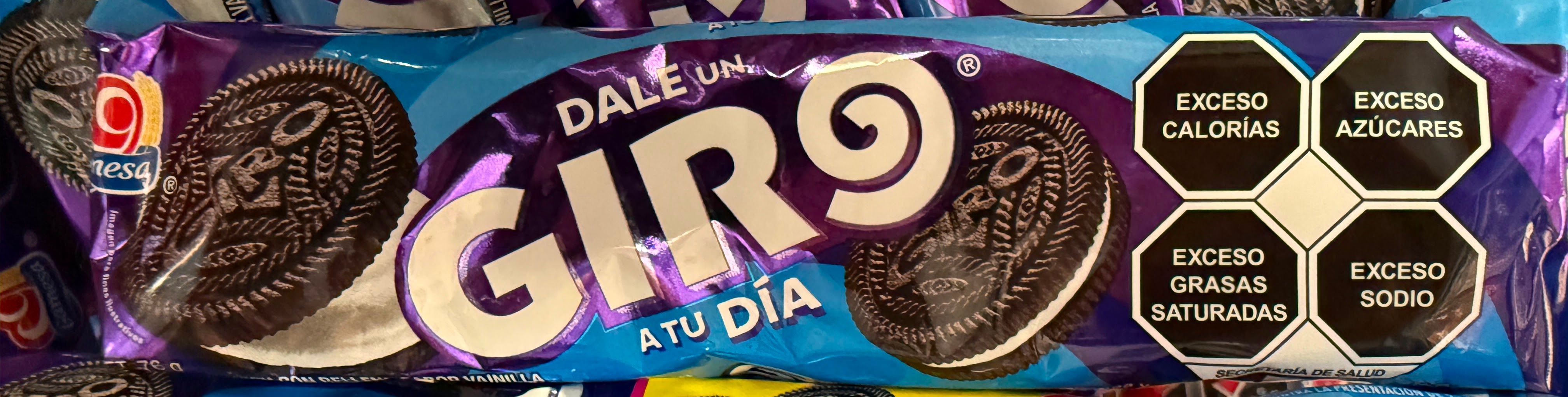
I took the photo above in a grocery store in Mexico. Those black octagons scream the macronutrient excesses right on the package — no label squinting required. You can disagree with the intervention. It's harder to disagree that the current U.S. approach is doing nothing for the problem.
The FDA Wants to Define "Ultra-Processed" — Finally
Sources: FDA 2026 Priority Deliverables · STAT News — FDA Briefs Lawmakers on Priorities
The FDA is working jointly with USDA and NIH on a federal definition of ultra-processed food — reviewing public comment, synthesizing the metabolic research, and trying to translate what has been an academic shorthand (NOVA classification) into something regulators can actually use. Alongside it: the biggest front-of-package label overhaul since the Nutrition Facts panel arrived in the 1990s, and a long-overdue added-sugar reduction strategy that would create a "low added sugar" nutrient claim to nudge reformulation.
Industry lobbying will slow all of this down. Bureaucratic timelines will bury some of it. But a shared vocabulary — a line that separates "processed for shelf life" from "engineered to override satiety" — is worth the fight. Clinicians, researchers, insurers, and patients are all currently arguing about different things when they say "ultra-processed." The FDA drawing a line, even an imperfect one, would be genuinely useful.
This is one of those stories that won't read as urgent in the week it drops. Five years from now, if the label changes go through, this will be the inflection point everyone points back to.
School Lunch Gets a Makeover — With Some Mixed Messages
Sources: USDA School Nutrition Standards Updates · EdNC — New Dietary Guidelines Recommend First Limits on Highly Processed Food

The 2025–2030 Dietary Guidelines for Americans, for the first time ever, formally urge limiting highly processed foods. USDA is proposing to carry that through into school meals — a framework called "Eat Real Food," with scratch-cooking prioritized over pre-packaged components. Starting school year 2027–28, added sugars will be capped at under 10% of calories, and sodium targets tighten 15% for lunch and 10% for breakfast.
That's the good news. The less-coherent news: the same guidelines also soften prior language on red meat and full-fat dairy, and the Whole Milk for Healthy Kids Act has put whole milk back on cafeteria trays. You can construct a plausible nutritional argument for each of those choices in isolation — but put together, the messaging to parents, teachers, and cafeteria staff becomes muddled. "Eat real food. Also, drink the whole milk. Also, limit processed food. Also, here's some more flexibility on red meat." Pick a lane.
Even with the mixed messaging, investing in scratch-cooking infrastructure in school kitchens is a generational move. Cafeterias that can actually cook change what a whole cohort of kids thinks of as normal food. That's worth a lot of imperfect guideline language.
Finding Joy in Food — Rediscover the Pleasure of Eating Without Guilt
If this week's newsletter left you thinking about the policy of food, this podcast episode zooms back to the personal: how to actually enjoy eating again. Episode 02 of The Doctor Doug Podcast — watch below.