From mindset to medication — the full reach of obesity care
Dispatches from the Obesity Medicine Association 2026 — nutrition patterns, exercise prescriptions, the mind–body loop, weight plateaus, lipedema, and the volunteers quietly building this field.
I'm writing this from San Diego, where I've spent the past few days with 1,500 obesity medicine clinicians at the Obesity Medicine Association's annual conference. I attended dozens of sessions — five stood out as must-share. Here's a lightning tour of what I learned about nutrition, exercise, mental health, weight plateaus, and lipedema — plus a personal reflection on the volunteers quietly building this field. This is the real heart of obesity care.

Stop Arguing About Macronutrients
Session: Nutrition Revolution: Understanding Food, Obesity, and Science in a New Era — Frank Hu, MD, PhD, Professor & Chair, Department of Nutrition, Harvard T.H. Chan School of Public Health
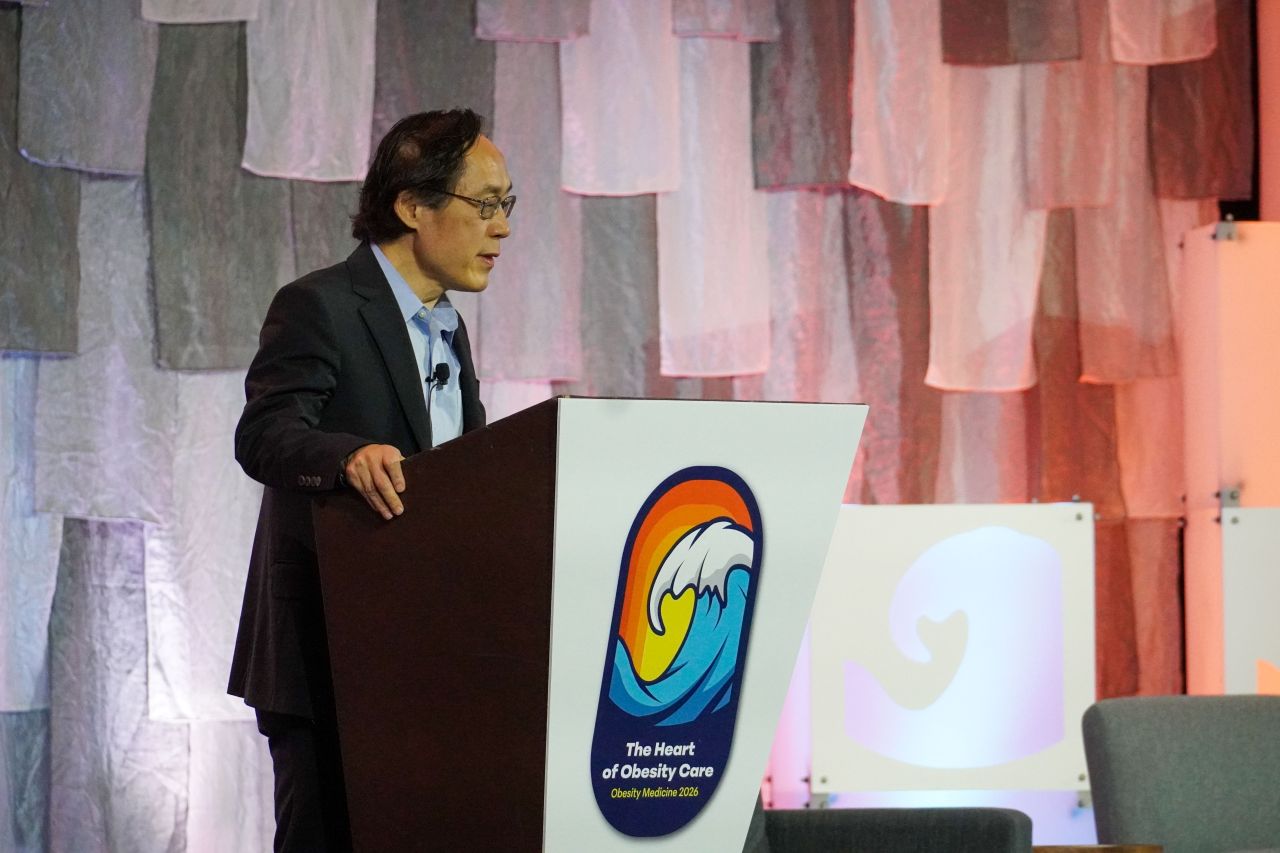
Dr. Hu's keynote made a case I've been making in clinic for years: dietary patterns beat macronutrient debates. Mediterranean, DASH, and AHEI patterns consistently outperform calorie counting or protein targets across 50+ years of Nurses' Health Study and Health Professionals Follow-Up data. Ultra-processed foods — not fat or carbs in isolation — are the real driver of our metabolic crisis.
And GLP-1s? They work best alongside lifestyle optimization, not instead of it. The future of nutrition is integrative, preventive, and planet-conscious. Stop litigating carbs vs. fat and start prescribing a pattern.
The "New" Exercise Prescription Is Simpler Than You Think
Session: Evidence-Based Physical Activity Prescriptions That Work — Elizabeth (Liz) Joy, MD, MPH, DipABLM, FACSM, Chair, Exercise Is Medicine (ACSM); Past President, American College of Sports Medicine
Dr. Joy's mantra landed with me: "none is bad, some is good, more is better." Going from zero to even 30 minutes a week of activity delivers the single biggest mortality benefit of anything we prescribe. Low cardiorespiratory fitness is now the #1 attributable risk for all-cause death — and only 28% of U.S. adults meet the Physical Activity Guidelines.
She walked through embedding a Physical Activity Vital Sign (PAVS) into the EHR, using a Screen–Brief Intervention–Referral to Treatment (SBIRT) model, and Intermountain Health's payer-backed referral pathway that actually reduced healthcare costs. Clinical takeaway: stop asking patients to hit 150 minutes on day one. Meet them where they are.
The Mind–Body Loop Is Not a Metaphor
Session: Mind and Metabolism: Managing Mental Health & Obesity — Richele Corrado, DO, MPH, FACP, DABOM (Revolution Medicine, Health & Fitness; USUHS) & Rohul Amin, MD, FACP, DFAPA (HolistiCare, LLC; USUHS)
Obesity and psychiatric illness share biology — chronic stress, inflammation, and reward-system dysregulation. Drs. Corrado and Amin showed how many antipsychotics and antidepressants promote weight gain, and why we need to co-manage with psychiatry rather than work around them. Metformin remains a workhorse for psychiatric-medication-induced weight gain (meta-analysis: −3.32 kg).
The big news: on January 13, 2026, the FDA removed the suicidality black box warning from GLP-1 receptor agonists after a 30-RCT meta-analysis found no increased risk. That changes the calculus for a lot of patients who've been held back from therapy by a warning that the data never really supported.
Your Weight Loss Plateau Is Not a Failure
Session: Breaking Through Weight Plateaus: A Practical Framework for Defining Success in Obesity Care — Jaime Almandoz, MD, MBA, FTOS, DABOM, Medical Director, Weight Wellness Program; Professor of Medicine, UT Southwestern Medical Center, Dallas
Dr. Almandoz reframed something every obesity medicine patient needs to hear: a weight plateau isn't a treatment failure — it's expected, and most patients are still benefiting biologically. His three-step framework: reassess lifestyle (sleep, protein, alcohol, stress), optimize pharmacotherapy (dose, duration, adherence), and reassess health gains beyond the scale (cardiometabolic risk, function, quality of life).
Reality check: 58% of patients discontinue GLP-1 therapy within a year — but 59% of those reinitiate within 12 months. The untold story is reinitiation, and Almandoz showed us how to plan for it so that when a patient walks back in the door, you already have the next move.
Lipedema: The Diagnosis Hiding in Your Obesity Practice
Session: Lipedema and Obesity: Distinct Diagnoses, Distinct Care — Matthew Carmody, MD, DABOM & Leslyn Keith, OTD, CLT
Up to 11% of women worldwide have lipedema — painful, diet-resistant fat that accumulates disproportionately in the legs and arms, typically triggered by hormonal transitions (puberty, pregnancy, perimenopause). Roughly 70–80% of women with lipedema also have obesity, which means many are already in our practices and being misdiagnosed as "simple obesity."
Drs. Carmody and Keith laid out the diagnostic clues (painful fat, easy bruising, non-pitting edema, ankle cuffing) and the treatment stack: carb restriction, compression therapy, manual lymphatic drainage, and — when indicated — tumescent liposuction. If a patient doesn't respond to standard obesity care the way you'd expect, think lipedema.
The Volunteers Building Obesity Medicine From the Ground Up
A personal reflection from the OMA 2026 conference floor
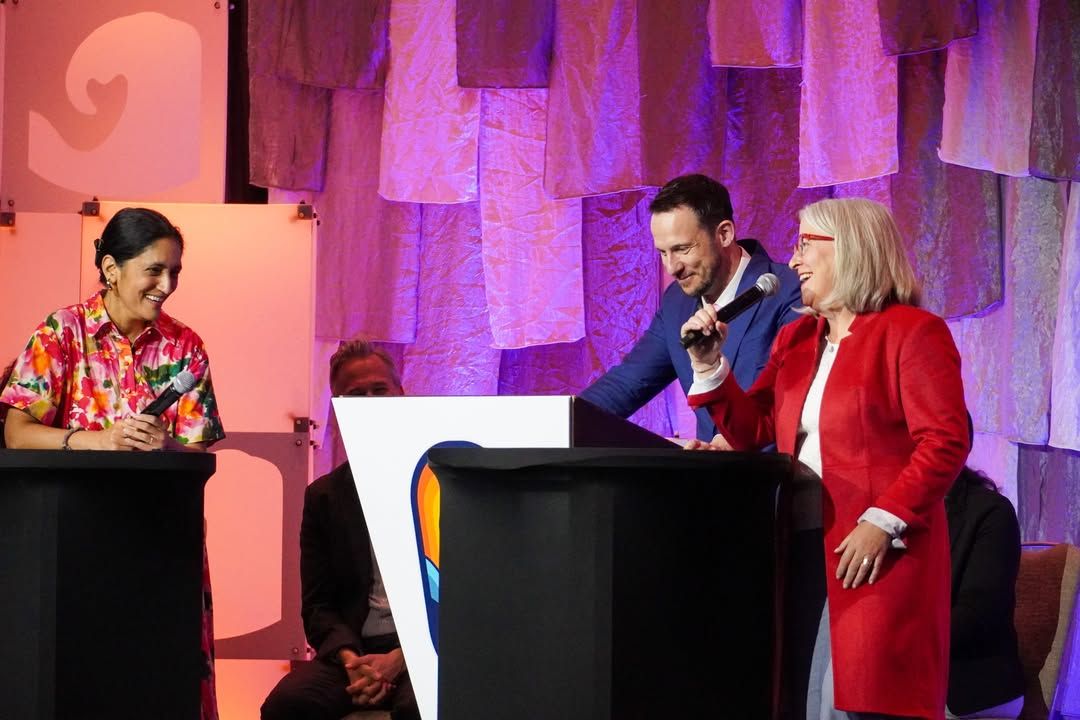
I want to end this week's newsletter with something more personal. At every conference, I learn something new from the research. But some of the most inspiring moments happen in the hallways, over coffee, in conversations that don't have a CME credit attached.
This week, I spent time talking with leaders from state obesity medicine societies across the country — the Washington, Colorado, North Carolina, New England, Minnesota, and Illinois obesity societies, and our society, the Arizona Obesity Organization — plus others not even mentioned here — all working in partnership with the national Obesity Medicine Association. These are physicians, nurse practitioners, dietitians, and other clinicians who are doing extraordinary advocacy work — fighting for insurance coverage, educating legislators, building local networks of obesity medicine providers — and all of them are doing it for free. On top of their clinical practices. On top of their families. Because they believe this work matters.
Obesity medicine is still a relatively young field. Many state societies are small. They're run by volunteers who organize events, manage memberships, and show up at state capitols to explain why obesity is a disease that deserves real treatment — not dismissal. The Obesity Action Coalition and organizations like it have been essential in raising the national voice, but the state-level work is where policy actually changes.
Meeting these colleagues reminded me why I do this work. It's easy to feel isolated in your own practice, thinking you're the only one fighting this fight. Conferences like OMA remind you that there's a whole community of people who see what you see — and who are showing up every day to change it.